
When many people hear about CPR certification, they...
If you have been searching the web for “CPR...
Mistakes to Avoid While Learning CPR We all know that...

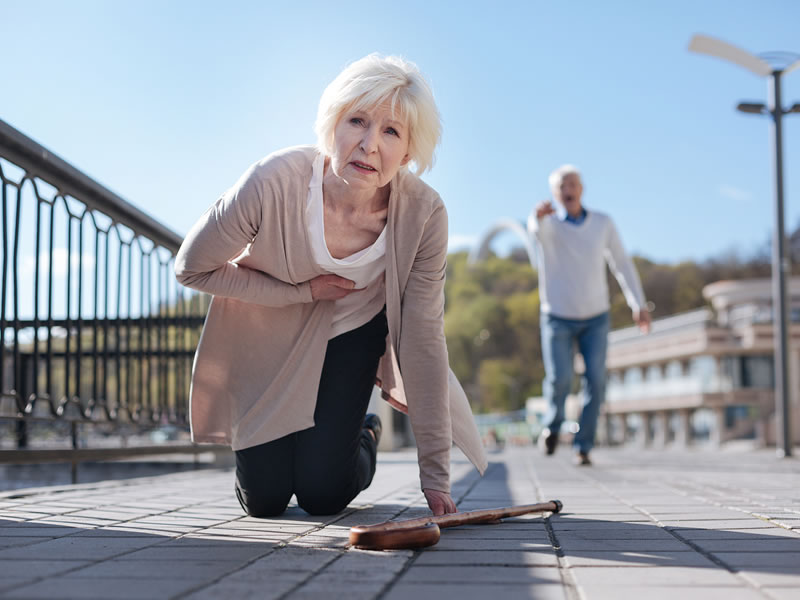
Cardiac emergencies can occur at any time, prompting a quick response to prevent further complications or even fatalities. In such situations, having basic CPR training is crucial to execute life-saving techniques effectively and confidently. At Quick CPR, we not only provide hands-on training on chest compressions but also effective use of automated external defibrillators (AEDs). While these vital devices may not be readily available in all areas, most public places like schools, government institutions, airports, and other community spaces have AEDs. Additionally, you can equip your home with a small AED that is available without a prescription. Let’s explore the role of automated external defibrillators in CPR to help make informed decisions.
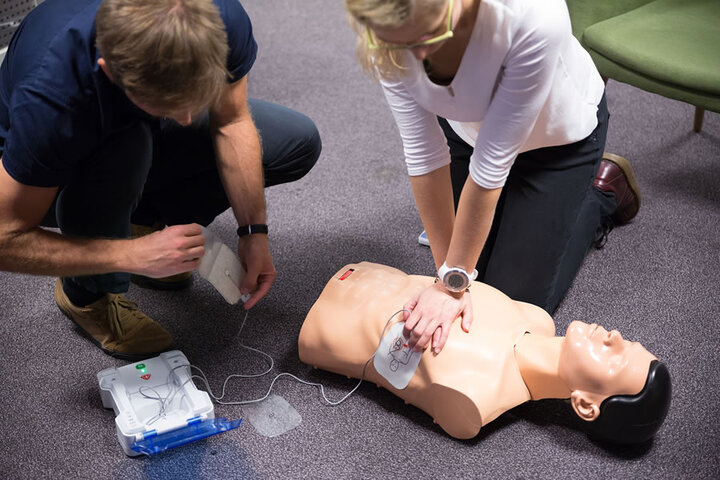
A cardiac arrest is a malfunction of the heart’s electrical system, affecting pumping and blood circulation. When administering CPR, sometimes chest compressions may not be enough to restore the heart rhythm and effective pumping. AEDs provide electric shocks that complement chest compressions, helping circulate blood to the brain and other vital organs that can shut down. Although the shock is controlled and does not require prior CPR training in Decatur, GA, having the proper skills is crucial for saving lives.
Once an AED is attached and turned on, it analyzes the heart rhythm to see if electrical current is required. These life-saving devices are designed to advise a shock if a threatening arrhythmia, such as ventricular fibrillation, is detected. Even if you have never attended CPR classes, AEDs guide users step-by-step, with visual cues and voice prompts. Instructions not only ensure the correct placement of the pads and proper use but also improve survival.
As mentioned, a quick response when it comes to cardiac emergencies is crucial. When a shock is delivered within the first few minutes after a victim collapses, followed by CPR, the chances of survival can increase significantly. Research shows that timely intervention and combining AED with CPR can increase the chances of survival up to 74%. This makes AEDs a must-have in public settings to give cardiac arrest victims a chance.
After a shock is delivered, or if no electrical current is advised, the automated external defibrillator (AED) will prompt the user to resume or continue with chest compressions. These life-saving devices provide guidance on the correct pace for chest compressions and may prompt for another analysis after a set period, typically 1-2 minutes.
Modern AEDs use a biphasic shock, which is a double-phased electrical current that is effective at lower energy levels. Unlike older models that use monophasic shocks, users do not have to worry about harming the victim. Now that you know the role of AEDs in CPR, you can make informed decisions to save cardiac arrest patients.
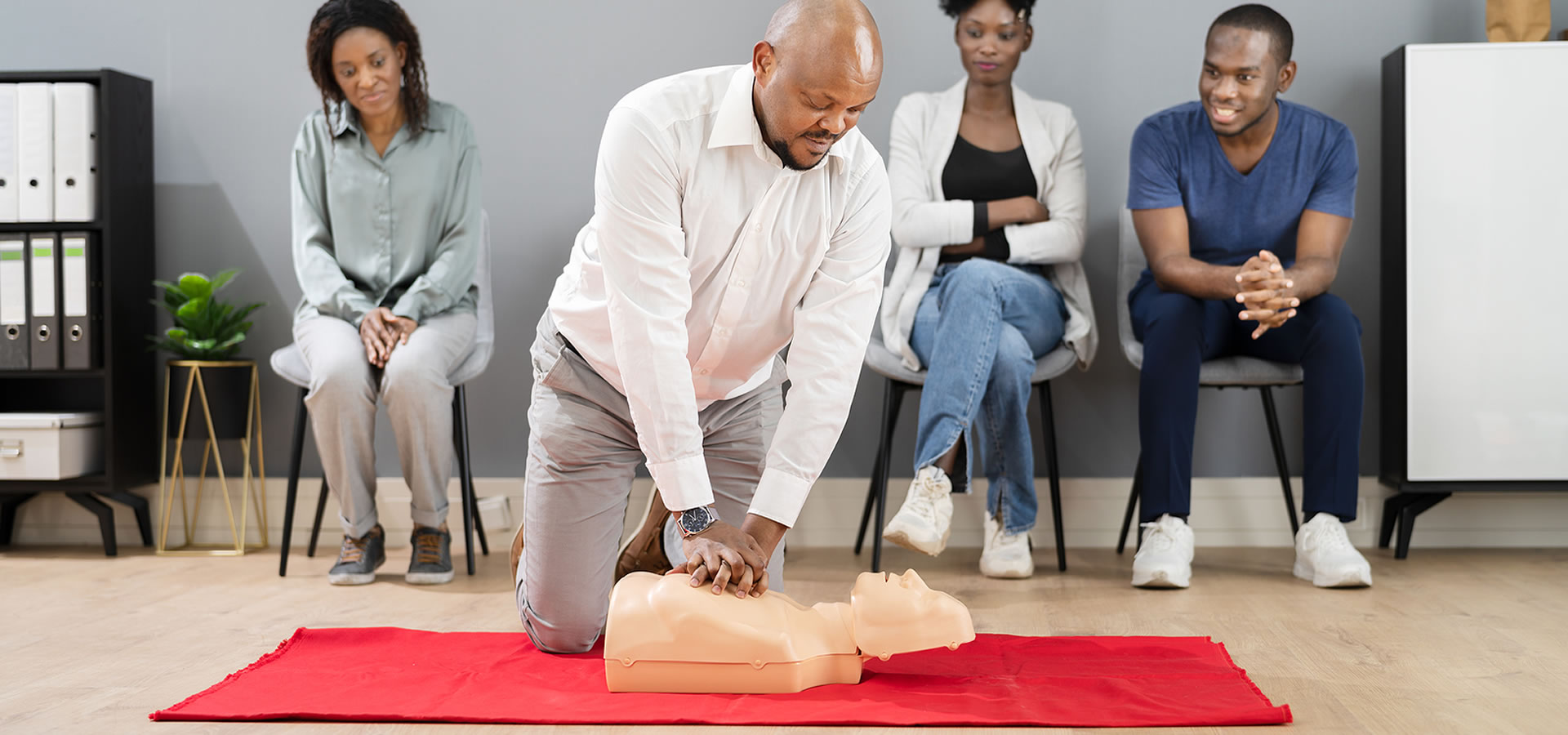
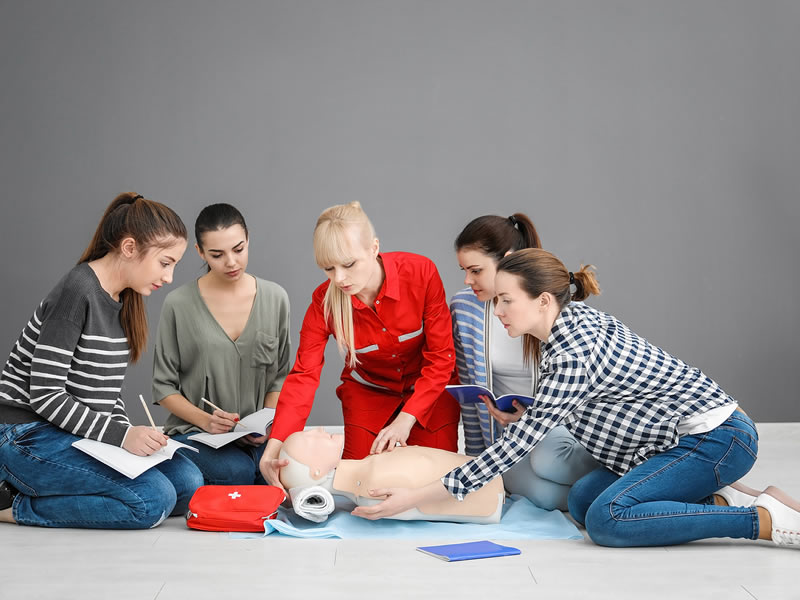
With all the information readily available online, most people may opt to watch tutorial videos rather than enroll in CPR training. However, the hands-on training we provide goes beyond recorded demonstrations. Here are the benefits of learning effective AED use in a CPR class.
One of the main benefits of undertaking basic CPR or advanced cardiac life support (ACLS) training is to gain the proper skills to keep oxygen flowing to the brain and other vital organs. During cardiac emergencies, brain damage will begin 3-5 minutes without blood flow. This means quick action is crucial to give the patient a fighting chance until professional help arrives.
CPR certification ensures you can act decisively instead of waiting for emergency services. Early response is vital since survival chances decrease every minute without intervention. Prompt defibrillation and CPR can help prevent permanent brain damage by maintaining blood flow.
Contact Quick CPR today and book an appointment with our professional instructors to prepare for medical emergencies. We provide tailored CPR and advanced cardiac life support (ACLS) classes to ensure you respond confidently.


